
Talk to kids about money early and at every stage as they grow to give them a good sense of how to handle what they earn in a responsible way.
Why It’s Important
I didn’t expect this! I gave my kids money, talked to them about the value of a quarter as soon as they were old enough for a coin not to be a choking hazard. Then came the time to actually know what a quarter was vs. a dollar and my kinder son was all “huh?!”. Yah. I realized we needed to do better about talking about money and how it works because it plays a part in every aspect of our lives.
Kids get it from an early age. Those treats at the grocery check out are more expensive than, say, broccoli. They get that. As they grow, they can gain confidence and a comfy cushion of cash with some good financial skills.

Pre-K to Kindergarten
At this age, little kids already understand a thing or two about money. Those treats at the grocery check out are way too expensive but broccoli apparently isn’t.
Games are a great way to get them to understand the ebb and flow of money. You can be flush with it, and then left with little. Learning the difference between needs and wants can be hard. The goal is for them to understand the value of what they have and what they will use It for. It’s giving them a rudimentary understanding of money and exchange. Teach them the want or need game that you can use in real life.
Here’s a few ideas:
- Give them play money for the chores they can do and they pay you for cookies or treats.
- Play house with an actual budget.
- Give them a certain amount of their favorite treat, like 30 M&Ms or skittles and they can spend them throughout the day on a show, choice of lunch or favorite toys.
Get kids in the groove early to learn to pick up their toys, put their little sippy cups and snack bowls in the dishwasher if they are old enough, and throw away trash. Make it fun. Some ways that have helped us get our kids to enjoy chores include:
- Have them put on costumes or silly attire, you too, to pick up their room.
- Pretend they are one of their favorite characters and pick up their rooms or help with the gardening or other chore in character.
- Pick up all the yellow toys first, blue second, etc.
This is also a good age to talk about work, what the people close to them do for a living to earn money to have a place to live, food to eat and fun things to do and explore.
Take your kids to work if you can and let them get more info on where you go, what you do and who you are around. It will expand their understanding of what a job is and what the heck you do all day while they play!
Elementary School Age Kids
This is when it gets interesting. Kids come to you with ideas on how to make money. Harness that willingness to work. Don’t overwhelm them with chores, but do make your expectations clear. I labeled our chore chart in a way that focused on how what they do helps the family. For instance, the 30 minutes they take cleaning their room saves me an hour of haranguing them into doing it! Joking aside, when they realized how much their chores contributed to the overall family good and the household running smoothly, they were more likely to step up and do it without the eye rolls. It’s not a punishment. The chores they do will help all of us live better in our home.
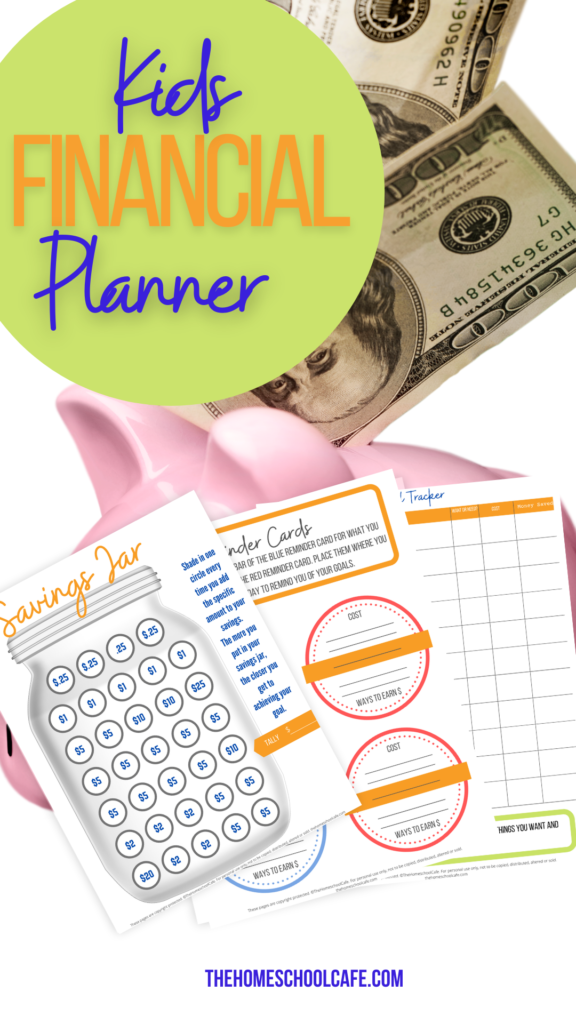
This is a great time to introduce an allowance, or not. That can be a tough choice. Research shows kids who help around the house without an allowance tend to be more successful as adults. Doing chores, keeping your space relatively clean and helping your family is part of life. Find ways to have them go above and beyond that works for your family and for your child’s abilities and interests. Offer them an allowance of sorts to put in a jar.
The Awful Truth
Work isn’t always fun, neither are chores (and the hormones that show up in crying tantrums or bursts of frustration). I have to take a minute before responding in kind to bouts of drama over chores. Honestly, hey, I feel the same way. Talk to them truthfully about how you don’t always love your job, or cleaning the toilet, or folding the 4th basket of laundry that day. Just temper the temper. I’m open to your ideas on how to do that! Seriously. It can be a chore to keep them up on their chores.
Talk to them about the worth of what they do. At one point, the twins took the advice I didn’t know I was giving and swapped chores. He didn’t like folding clothes and she didn’t like unloading the dishwasher. So she folded his clothes and he emptied the dishwasher. We talked about getting a maid so I wouldn’t blow my top when the house got crazy cluttered.
This brought up how much a housekeeper once a month would cost, how much we earned per hour and the time it took to clean the house vs. the money it cost to have someone else do it. I also brought up our budget and where that money would come from, most likely entertainment or eating out. They got on board with helping out more around the house, and also felt some pride that they were doing a job that had value in the real world.
Making Bank in Middle School
This is a great age to learn about value and income. If you haven’t already, you need to step up the chore game. Kids need to be pulling their weight around the house. This was hard for me. It’s just easier to do it myself. And my pet peeve is when they do something super slow that should take about 5 minutes. But, it’s their time, not mine.
I do give a time limit, as in here’s your list and you have an hour for what should take 30 minutes. If they finish early, extra game time, if they go over, they are eating into their free time. That seems to connect with their values!
Discuss the minimum wage and taxes and what they can expect to make in their freelance jobs. This will set a foundation of financial skills that will help them as they grow.
Introduce a savings plan. I had a friend who taxed her kid’s allowance. The mommy tax went to gas, cleaning supplies and other things. At first I thought it was harsh. But her kids had a better understanding of how taxes worked, how contributing to the infrastructure of the family helped everyone and that they had a bigger role in that now. They were a little proud and felt very mature. Love that!
The one thing I didn’t expect, although I should have, was the waning of enthusiasm when it came time to do the actual babysitting, mowing all those lawns week after week and the procrastination of making all the things they planned to sell on Etsy. Talk to them about when you wanted to quit but what happened when you followed through. Ask them how they will feel when the deal is done and they have a fist full of cash vs. how they will feel if they don’t go.
How to talk to teens about money
Here we go! Teens can have a lot more say on how they earn money, and that can be terrifying. I am not excited about those first jobs in low-paying positions. But, if they have been working on their skills all these years, they more than likely have a head start on what they want to do, and can do. Hopefully, they now understand taxes, and if not you need to talk to them about why FICA gets such a big cut. Also a great time to introduce credit and how to use it responsibly.
This is a big moment to make sure they understand the value of saving a portion of their earnings. That was hard for me, but I put myself through college with what I saved working from 14-18 while my friends bought cars and cool clothes. I was so envious! But I don’t have a student loan debt. Teens can start a Roth IRA with their first job. Here’s some numbers to give them some incentive when they see their check is not as much as they had hoped when it arrives. A 16-year-old who puts $500 in a Roth IRA that earns 5% interest and do that every year, just $500, they will have almost $200,000 by the time they retire. (And it doesn’t affect financial aid.)


